

A batter gets hit by a pitch on the hand during the final spring training game. He shakes it off and jogs to first base, but something doesn’t feel right.
The athletic trainer takes a quick look in the dugout. The player has swelling and tenderness near the knuckle. It might be a bruise, or it might be a fracture.
But the distinction matters. If it’s just a bruise, the player may be back in the lineup tomorrow. If it’s a fracture, he’s on the injured list before the first pitch is even thrown.
This scenario plays out constantly in baseball, especially leading up to Opening Day, when athletes are ramping up and roster decisions are being made. It highlights a simple truth:
Timing is everything in athletic care. We’re reminded of this every March, and never more clearly than this week, as National Athletic Training Month culminates with the start of the regular season. The transition from spring training is a high-stakes moment where roster spots, roles, and readiness are determined in a matter of days, sometimes hours.
As the first pitch of the season looms, I’ll unpack what this means for baseball teams’ medical staff, and how truly portable X-ray can help change the game (bad pun, I know).
The Reality of Injuries in Baseball
Baseball isn’t typically considered the most injury-prone sport, but injuries occur frequently across all levels of play, and injury risk is particularly elevated during preseason training. One NCAA injury surveillance study found that the preseason injury rate in collegiate baseball is significantly higher than during the regular season, with an overall injury rate of 3.16 injuries per 1,000 athlete exposures.
Many of these injuries involve the upper extremities or hands; areas that are particularly vulnerable during gameplay. Common baseball injuries include:
- Hand fractures from hit-by-pitches
- Finger injuries from fielding or bad hops
- Wrist injuries from swings
- Elbow trauma from dives or collisions
- Foot injuries from foul balls
Imaging is usually required to confirm a diagnosis, which is where challenges begin.
The Friction with Traditional Imaging Workflows
Traditional imaging workflows were not designed with athletic environments in mind. When a player needs an X-ray, the process often involves leaving the training facility to travel to a hospital or imaging center. That trip alone can introduce significant delays in diagnosis and treatment.
For athletes in the middle of training or competition cycles, those delays can be disruptive. During spring training in particular, athletes are dealing with:
- Large rosters
- Continuous evaluation
- Players competing for roles
- Daily decisions about availability
Medical staff are under pressure to move quickly and answer important clinical questions in real time.
Is this a fracture or just a bruise?
Can the player return tomorrow?
Does the player need protection or rest?
Without immediate access to imaging, teams are often forced into a difficult choice: make conservative assumptions or spend hours transporting players for diagnostic confirmation. Neither option is ideal.
The Shift Toward Point-of-Need Diagnostics
Across sports medicine, we’re seeing a broader shift toward point-of-need diagnostics. Teams increasingly expect diagnostic tools to travel with the athlete rather than the other way around. Advances in technology have made this possible in several areas of sports medicine already, for instance:
- Ultrasound systems used directly on sidelines
- Portable rehabilitation technologies used in training facilities
- Wearable monitoring devices that track workload and recovery
But X-ray has lagged behind because traditional X-ray machines are large, complex, and difficult to move. As a result, imaging has remained tied to hospitals and radiology departments.
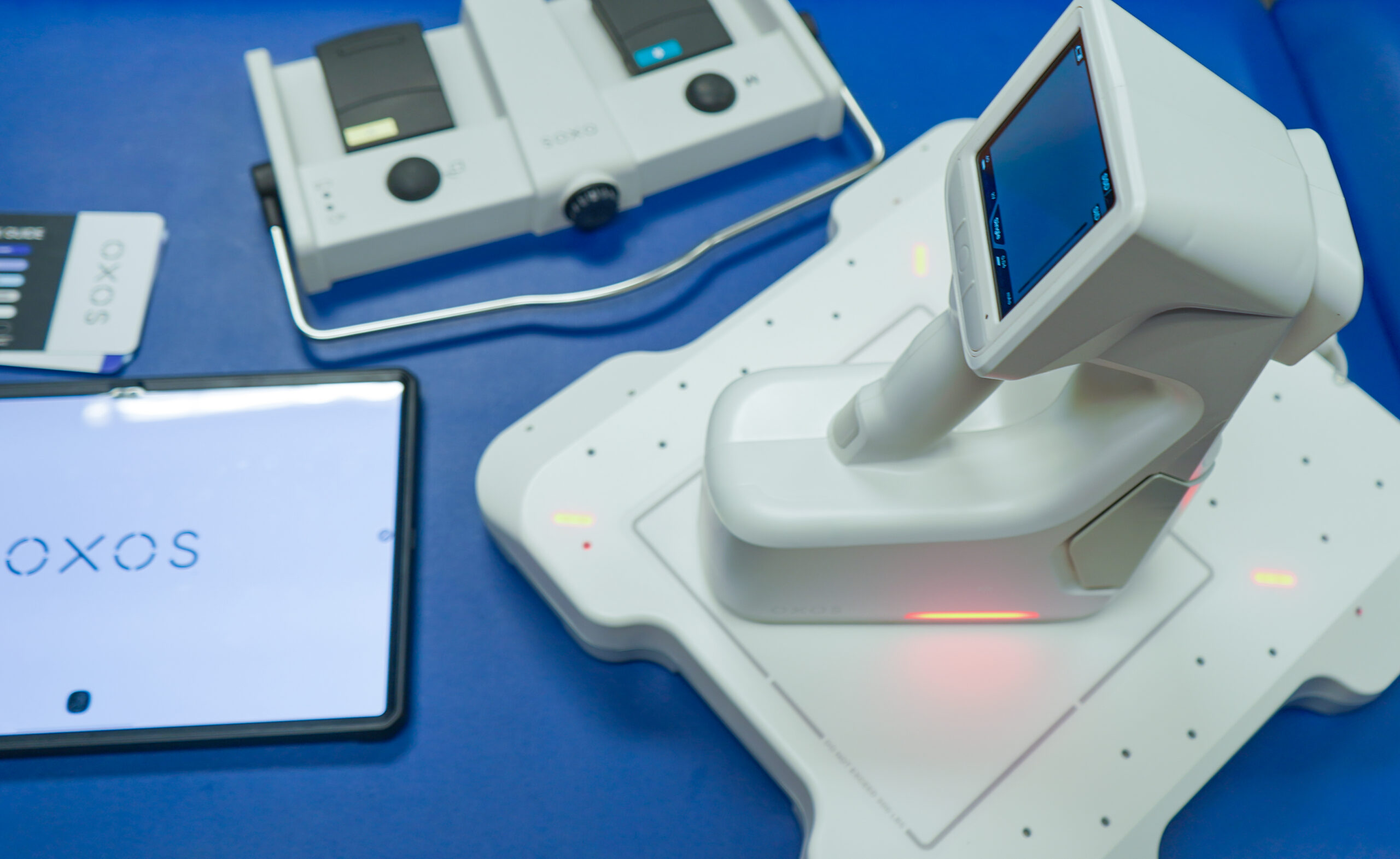
I’m really excited to see that beginning to change, and am proud that our team at OXOS is driving the movement. New generations of portable digital X-ray devices, like OXOS’ MC2, are making it possible to bring diagnostic imaging directly to the point of need. And baseball is one of the latest sports to embrace this shift.
The Impact of Portable X-ray on Baseball
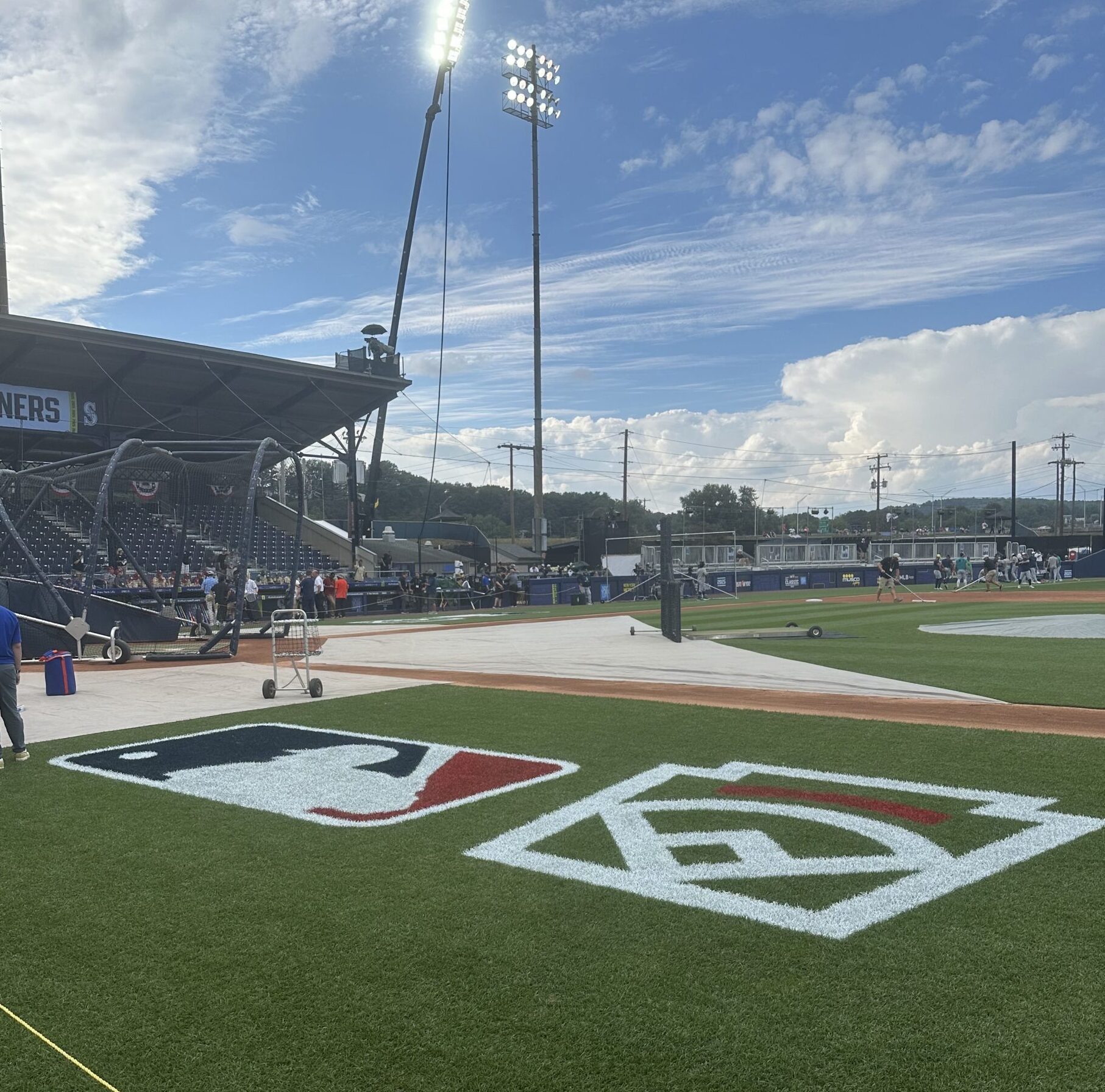
Portable X-ray introduces meaningful improvements to the clinical workflow for sports medicine teams. Major League Baseball teams are incorporating portable imaging
systems like MC2 into their medical infrastructure, using them in training facilities and rehabilitation settings to support faster, more efficient care. The benefits are clear:
- Immediate diagnosis: Athletic trainers and physicians can quickly confirm or rule out fractures without leaving the training facility.
- Faster return-to-play decisions: Players avoid unnecessary downtime, and medical staff can make informed treatment decisions sooner.
- Less disruption to training: Athletes remain in familiar training environments rather than losing hours traveling to outside imaging facilities.
- Improved athlete experience: Perhaps most importantly, athletes get answers faster. Instead of waiting hours or sometimes days for imaging confirmation, they can understand their injury and recovery path immediately.
As we recognize National Athletic Training Month, it’s also worth reiterating that athletic trainers are often the first to evaluate injuries and coordinate care between athletes, physicians, and coaching staff. Their ability to make quick, informed decisions has a direct impact on athlete health and team performance. Technologies that support their workflow and provide immediate answers help athletic trainers deliver better care when timing matters most.
The Future of Sports Medicine Imaging
Sports medicine continues to evolve toward a model where diagnostics happen at the point of need. Portable imaging, connected digital platforms, and faster clinical workflows are helping teams deliver more efficient and responsive care. These innovations allow medical staff to diagnose injuries quickly, make informed treatment decisions, and keep athletes moving forward.
When it comes to athletic care, timing will always matter. It’s exciting to see advances in portable diagnostics make it easier than ever for teams to provide fast, high-quality care, so the game can keep moving.
Learn how MC2 brings high-quality X-ray to the point of care for orthopedic and sports medicine teams. Request a demo for any further questions and see how it works.
FAQs
Why do baseball teams need X-ray imaging?
X-ray imaging helps confirm or rule out fractures, dislocations, and other skeletal injuries. In baseball, injuries such as hit-by-pitch hand fractures, finger injuries from fielding, or foot injuries from foul balls often require imaging to confirm a diagnosis before determining treatment and return-to-play timelines.
Why is portable X-ray useful for sports medicine teams?
Portable X-ray allows athletic trainers and physicians to capture diagnostic images directly in training facilities, locker rooms, or rehabilitation environments. This reduces the need to transport athletes to outside imaging centers and enables faster clinical decisions.
What injuries in baseball typically require X-ray imaging?
Common baseball injuries that often require X-ray imaging include:
- Hand and finger fractures from hit-by-pitches
- Wrist injuries from batting swings
- Foot injuries from foul balls
- Elbow injuries from dives or collisions
X-ray imaging helps medical staff determine whether an injury involves a fracture or can be treated conservatively.
Can portable X-ray be used in professional sports facilities?
Yes. Modern portable X-ray systems are designed to be used in a variety of environments, including sports training facilities, rehabilitation centers, orthopedic clinics, and medical tents.
How does portable X-ray improve return-to-play decisions?
By providing immediate diagnostic information, portable X-ray allows medical teams to confirm injuries quickly. This enables faster treatment decisions, reduces uncertainty, and helps athletes return to training or competition sooner when appropriate.
Resources
2 The Relationship Between Baseball Participation and Health: A Systematic Scoping Review